In recent years, with the rapid popularization and widespread application of drone technology, the issues of drone "uncontrolled flight" and illegal intrusion in public places have become increasingly severe, posing prominent challenges in the field of public safety. Incidents of drones entering sensitive locations such as airport clearance zones, major event venues, key government departments, and urban core areas without permission have occurred frequently. These incidents not only severely disrupt normal order but also have the potential to trigger extreme risks such as safety accidents, privacy breaches, and even terrorist attacks.
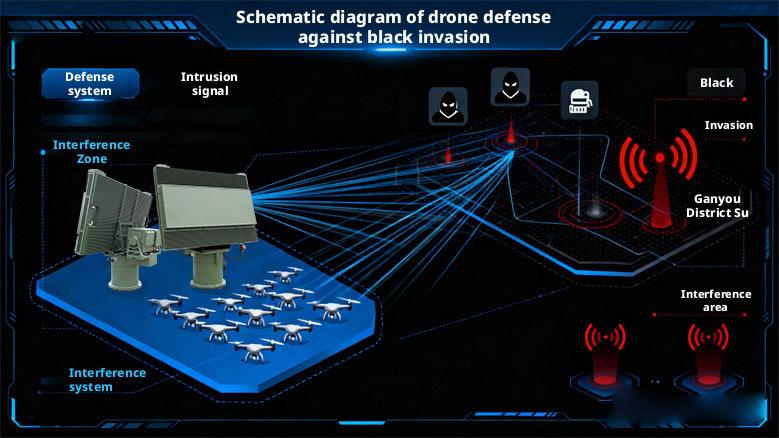
For areas with a smaller protective range (such as the core area of the airport), four radio TDOA positioning detectors can be deployed at surrounding commanding heights, and one photoelectric tracking and directional jamming device can be deployed at commanding heights such as the airport control tower. The control platform system can be placed in the airport security center.
For areas with a wide protection range, multiple radio TDOA positioning detectors can be deployed in a networked manner. These devices can be mounted on high ground such as communication towers, and are suitable for situations where the entire airport "clearance" protection zone requires protection.
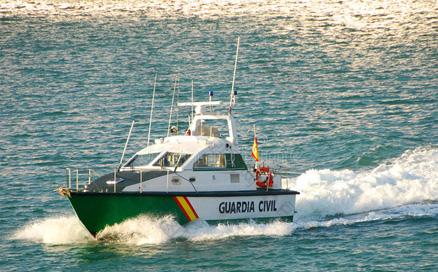
Inshore waters, docks and aquaculture zones are high-risk for smuggling and theft.
Complex marine environment and wide coverage make traditional monitoring and patrols ineffective at night, with limited range, blind spots and slow response, failing to stop small covert vessels’ illegal activities.

Power grids, oil & gas stations, nuclear power plants, data centers and chemical parks are vital to national economy and people’s livelihood.
Illegal reconnaissance, sabotage and terrorist attacks could cause large-scale shutdowns and public security disasters.

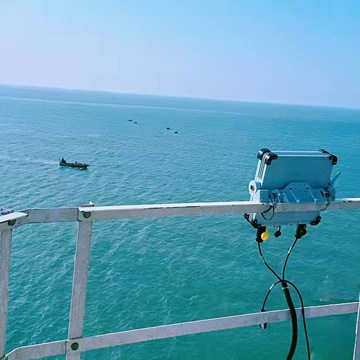
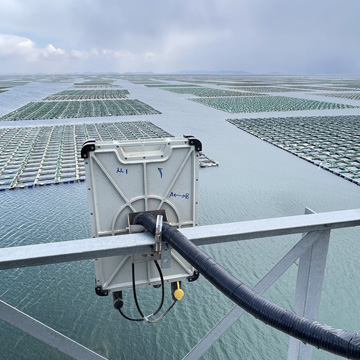
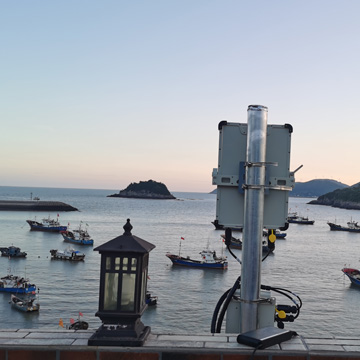
Coastal waters cover inshore zones, ports, coastal defense areas, aquaculture, berths, warehouses and critical water facilities. As a key frontline for border, public and asset security, they feature wide coverage, harsh environments and concealed violations, representing a weak link in security defense.

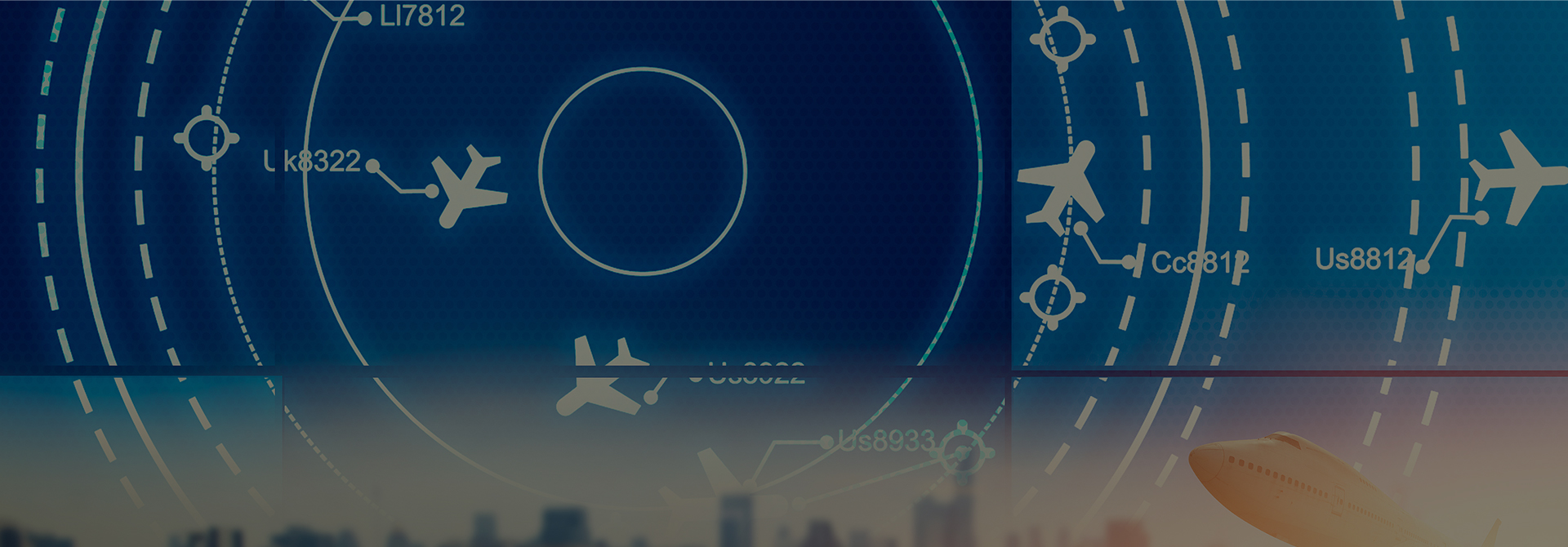
Intrusion into the clear airspace may cause flight delays, diversions, go-arounds, and even mid-air collisions, constituting a Level 1 risk source for civil aviation safety. Clear airspace control and prevention are mandatory by policy; failure to adopt effective measures will result in major liability.




© Copyright. Wuhan Zhongke Hongchuan Technology Co., Ltd 2025-2026.